Birmingham City Centre Property Market Update: What Landl...
Birmingham city centre’s residential market has moved into a more selective phase during the first half of 2026. Demand for well-located ...


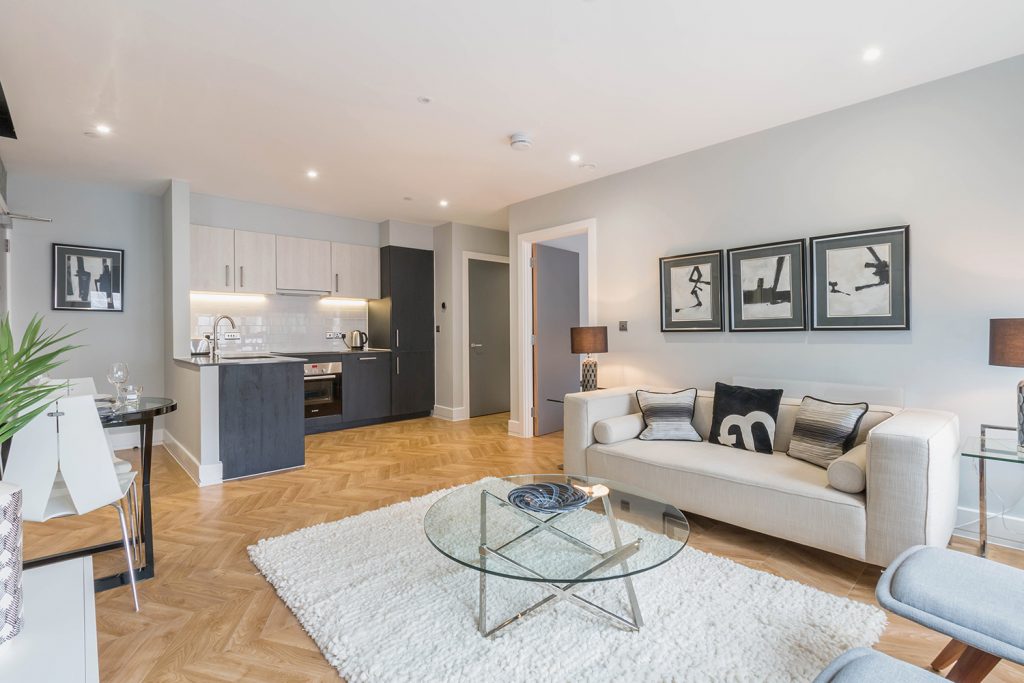
As the number of people choosing Birmingham investment property increases, the market is becoming increasingly competitive for landlords looking to attract tenants. While there’s a huge divide between supply and demand, it’s vital that you’re staying ahead of the market when there’s so many alternatives for renters out there.
A great way to do this is to think about renovating your investment property – whether that’s giving it a lick of paint or making changes to key features. While buy-to-let property developments often include tenant amenities as standard, it’s still vital that the property itself is modern and fresh. Taking a proactive approach to home improvement not only attracts potential tenants – it avoids void periods and the loss of rental income.
In our experience, we’ve found that landlords who update key fixtures and fittings across their property retain both value and tenants. While renovation costs may hold some investors back, remember that you have to spend money to make money and small improvements now may have a huge impact on the long-term performance of the property.
When it comes to improving your rental property there’s a wide variety of improvements you can make, from small wins to larger changes. Depending on your budget, you may want to make more cost effective improvements or you may want to completely revitalise the property to appeal to new prospective tenants.
So which features are the most important to consider?
One of the larger changes you can make to a property is updating the flooring. While this is, understandably, one of the costlier updates you can make, it’s also the most likely to improve the ‘curb appeal’ for tenants. This is one of the highest potential return on investment changes you can make as it’s the first thing many tenants see and takes up the largest space in the property. As always, it’s a good idea to choose a design that’s relatively neutral, easy to maintain/clean and looks as expensive as possible so you can maximise the appeal for prospective tenants.
Always remember to consider how long the flooring you choose will last in a rental environment. Floors obviously experience a lot of foot traffic so we usually recommend a laminate or wood flooring. While some developments restrict main areas to carpet, we’re able to check with building managers for you about the possibility of switching flooring types.
A quick and easy win to update the look of your rental property is by improving the soft furnishings and decorative elements. Elements such as light fixtures, ornaments, rugs, throw cushions, lamps and plants are able to provide personality to a property, which can vastly improve your chances of renting it out successfully and consistently.
Ideally, you want to make it easy for tenants to imagine themselves living in the space – whether that’s curling up with a good book on the sofa or transforming the kitchen into a premium hosting space with cookbooks and attractive decorations. Artwork is another great way to achieve this, though we recommend keeping the number of pieces to a minimum and using frames in complementary colours such as light woods, whites or blacks.
While this renovation idea depends on whether your apartment is provided furnished or unfurnished, it can be a great way to mitigate void periods.
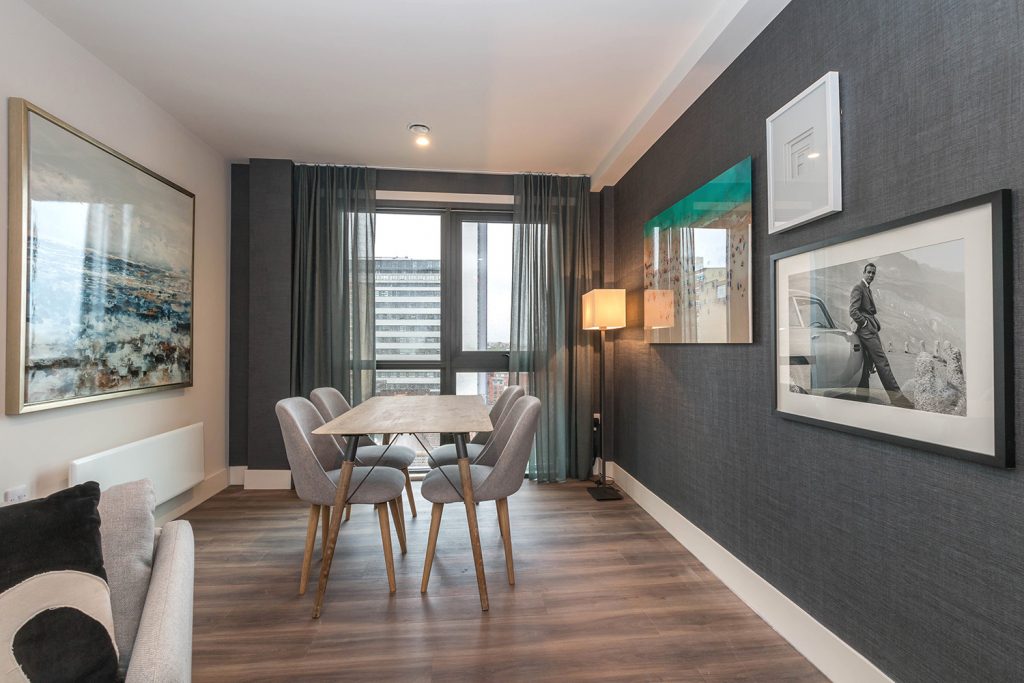
A fresh coat of paint on the walls is always a winner with prospective tenants and can really transform the feel of a property. While we tend to avoid magnolia, we do always suggest a lighter colour on the wall as it’s typically more popular with tenants.
White is a popular base colour but you may want to branch out into greys or neutral colours such as sages. These alternatives allow you to give the property a bit more personality without going too far and alienating a tenant.
We’d also avoid any current trends. While it might seem like a great idea to begin with, trends quickly fade and can become dated if you’re renting the property over the long-term.
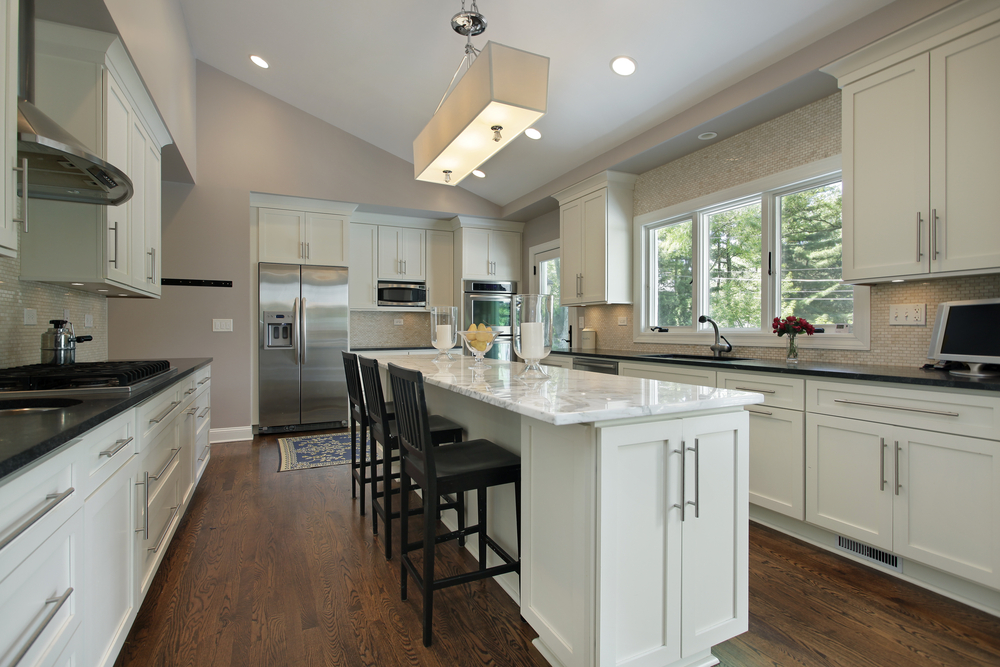
The kitchen is often considered the ‘heart’ of the home and as such is usually one of the places where tenants focus on. While we don’t recommend a full kitchen renovation, replacing cupboard doors or worktops can completely revitalise the look and feel of the space.
We recommend using cabinets with minimal detail and painting it if you want to add a splash of colour. Tenants will often have an array of kitchen accessories so having neutral fittings to complement these pieces is more important here than anywhere.
Worktops see the most wear and tear so you may want to consider hard wearing quartz, which often prolongs the life of any kitchen.
Finally, consider the fixtures in the kitchen, which can quickly date a property. Handles and taps are easy to replace and have a huge impact on the daily life of the tenant. Likewise, add storage wherever possible. No tenant will ever complain of having too much storage in an apartment and free-standing furniture or extra built-in cabinets can have a massive impact.
Whether you opt for blinds or curtains, don’t skimp on the window dressing. The more money you spend in the outset, the longer they’ll last and the happier both you and the tenant will be in the long-term.
If you opt for blinds, they’ll likely need replacing at some point during your investment period, which is why investing in high-quality, professionally installed blinds is so important upfront. These will generally last you much longer than an off-the-rack alternative and cause less headaches.
Curtains typically need more cleaning, particularly in between tenancies. You’ll want to consider heavier, higher quality fabrics as they’ll be hard-wearing and easier to clean than cheaper alternatives.
Bathrooms are often overlooked by landlords but play a big part in a tenant’s choice to rent. Old bathroom tiles may have chips and cracks whilst old grout or linings may be stained. In terms of tiling, you may want to consider installing a more timeless style such as large flat tiles or subway tiles – they’re generally easier to maintain and clean whilst still looking modern.
Bathroom fixtures rarely need updates but you can always swap out any taps or shower fittings to ensure a minimal, modern design.
Ultimately, every apartment is different and they don’t all need the same level of work. What’s important to remember is that an initial upfront cost can save you from losing rental income through void periods over time. Changes you make now can make the property more attractive, make it more energy efficient and importantly, make it much easier to let.
If you want help with updating investment property – including advice on how to make it more marketable – you can get in touch with us and take advantage of our property management services.

Birmingham city centre’s residential market has moved into a more selective phase during the first half of 2026. Demand for well-located ...

The Renters’ Rights Act will come into effect from 1 May 2026 and represents one of the most significant changes to the

A market that is settling into its next phase If 2022 was defined by excess demand and rapid rental growth, 2025 marked


